


Community Welfare Committee Credo
“Welfare is not charity; it is the fundamental right to thrive. We do not just solve problems—we build the foundations of a stronger, more resilient community. We recognize that welfare is not a series of events, but a consistent commitment. We don’t just see the world as it is; we work for the world as it should be. We create opportunities for meaningful interaction, turning a crowd of students into a unified family through service and shared experience.”

High Empathy & Active Listening
Resourcefulness & Networking
Cultural Competency & Inclusivity
Discretion & Ethical Integrity
The Community Welfare Committee stands as a bridge between empathy and action, guided by the belief that welfare is not charity but the fundamental right of every individual to thrive. This committee nurtures students who are attentive listeners, thoughtful communicators, and socially perceptive leaders, encouraging them to understand the needs of the immediate community and respond with sensitivity and purpose. Students learn to move beyond identifying problems to building sustainable solutions that strengthen relationships and promote resilience.
With a strong emphasis on collaboration, members are encouraged to bring forward ideas, engage in meaningful dialogue, and work collectively to transform those ideas into impactful community initiatives. Through regular meetings, brainstorming sessions, and open channels of communication, the committee fosters teamwork, creativity, and enthusiasm, while also encouraging participation from the wider student body to create a shared sense of responsibility.
The committee promotes fairness, inclusivity, and respect, ensuring that every voice is heard and every perspective valued. Members develop skills of persuasion, coordination, and service orientation, learning to organize projects that encourage unity and shared experiences. They take pride in communicating initiatives clearly, maintaining accurate records, and keeping students informed about opportunities to engage in service-driven activities. Equally important is the cultivation of responsibility—balancing academic commitments with leadership duties, maintaining discipline, and upholding school values in both conduct and appearance. Wearing the council badge is seen not merely as a formality, but as a symbol of commitment, accountability, and service to the school community.
Rooted in a non-discriminatory and non-partisan approach, the committee encourages compassion, integrity, and dedication. Students are guided to respect diverse viewpoints, support one another, and approach challenges with positivity and determination. By creating opportunities for meaningful interaction, the committee transforms a collection of individuals into a unified family driven by shared purpose. Ultimately, the Community Welfare Committee aspires to shape students who do not simply observe the world as it is, but actively work towards the world as it should be—leaders who serve with empathy, collaborate with intention, and inspire a culture of care that extends far beyond the school.
Meet the Committee Leaders
Hear from our Committee captains. Hear from the leaders behind the action and discover the team driving our athletic community forward.

I, as a head of the community welfare committee, would honour the Nahar tradition by not only helping those in need but actively strengthening our commitment to treating every person in our community with inherent dignity and respect.

Vyom Bagrecha
Community Welfare Committee Head
As the Head of the community welfare committee, I strive to build a culture of empathy, responsibility and compassion within our school. We work towards creating meaningful opportunities for students to give back and become more aware of the world around them. Through our initiatives, we hope to nurture socially conscious individuals who believe in contributing positively to the wider community.

Mahika Namboodiri
Community Welfare Committee Head
Community Welfare Committee – Representatives
Aanyya Jain
Grade 9

Naina Chatterjee
Grade 8

Nandini Thakur
Grade 7

Committee Manifesto
- Foster a culture of empathy and collective action by mobilizing students, parents, and staff to collaborate on meaningful humanitarian initiatives within and beyond the school community. Create a “Student Voice for Welfare” platform to gather suggestions, encourage participation, and collaboratively plan projects that address social and environmental concerns within and beyond the school.
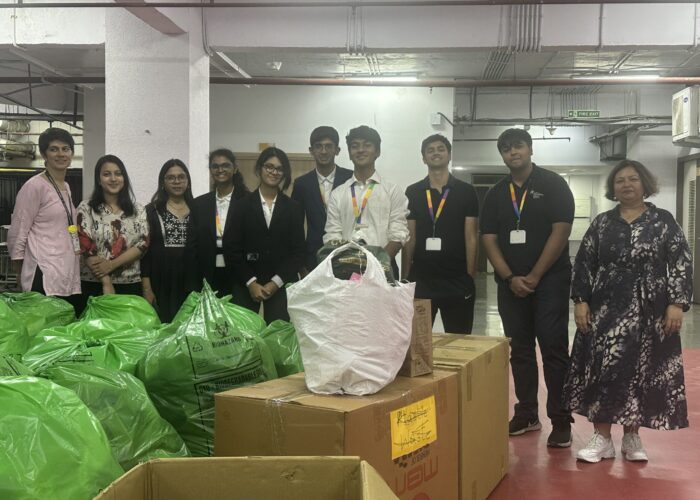
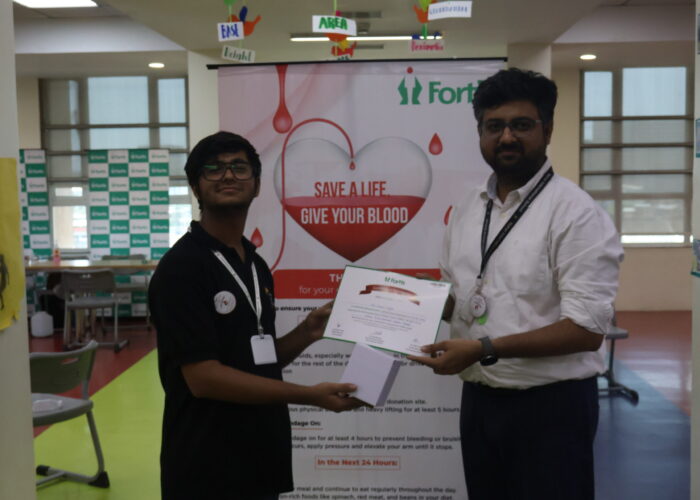
- Launch regular community outreach drives where students identify local needs and organize support initiatives such as donation collections, awareness campaigns, or skill-sharing sessions. Organize and execute impactful donation drives that directly benefit underprivileged communities, ensuring contributions reach those in need in tangible and measurable ways.
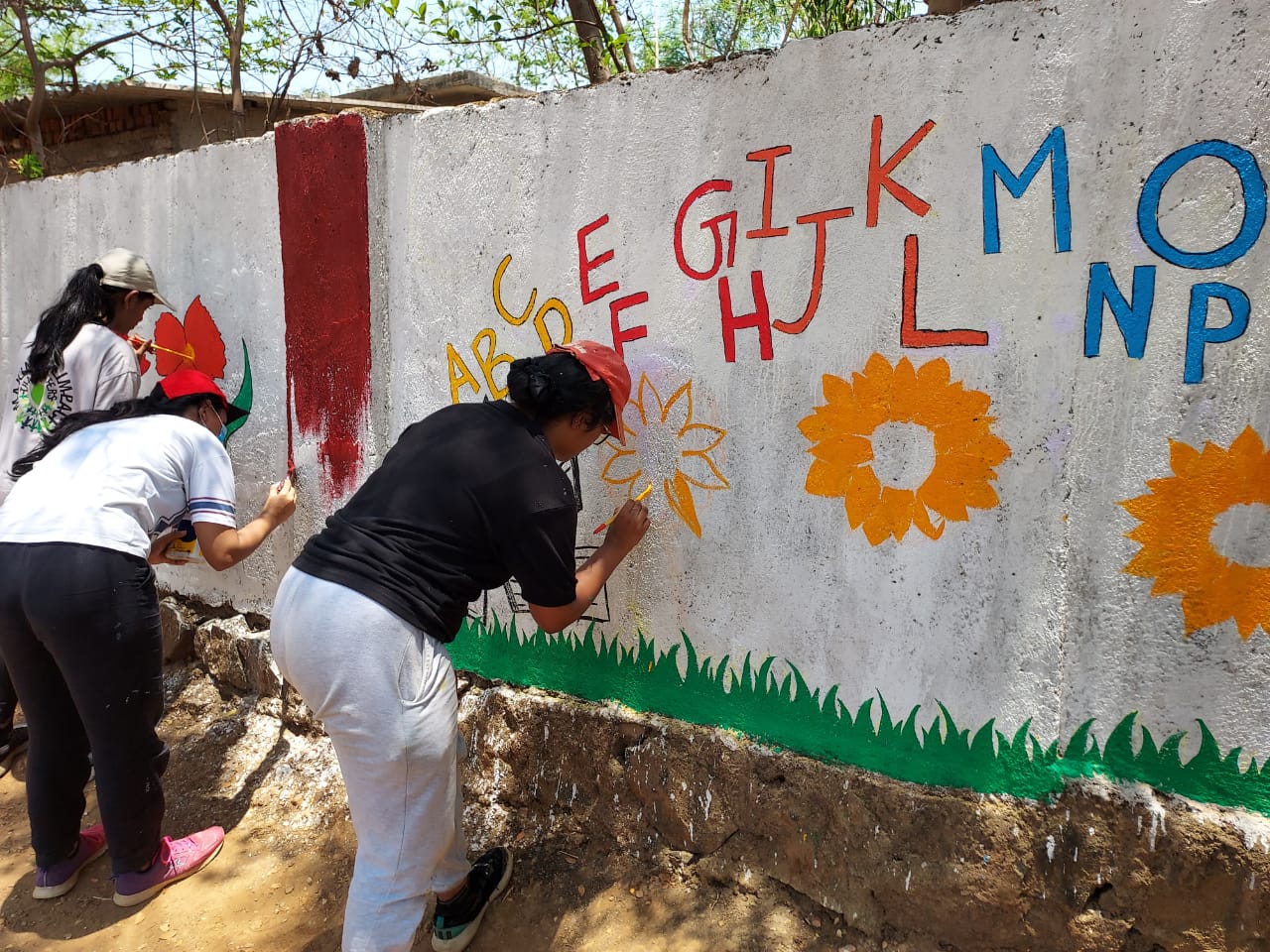
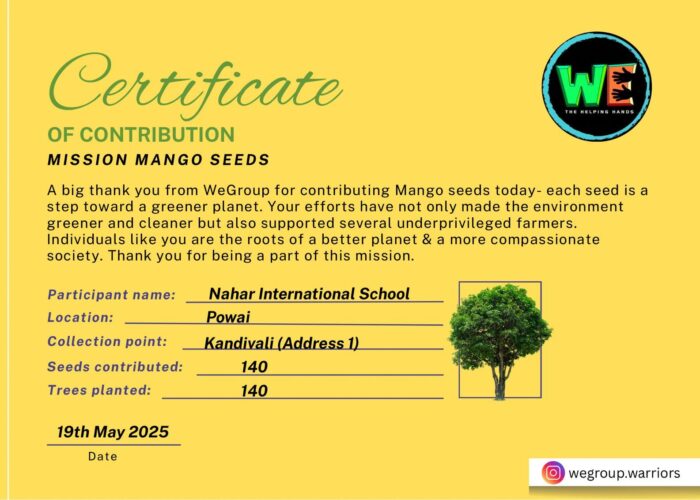
- Organize inclusive service projects each term—such as cleanliness drives, visits to community centers, or sustainability initiatives—to promote empathy and responsible citizenship. Establish ongoing awareness and student-led initiatives focused on social responsibility and well-being, encouraging collaboration, reflection, and meaningful action throughout the year.
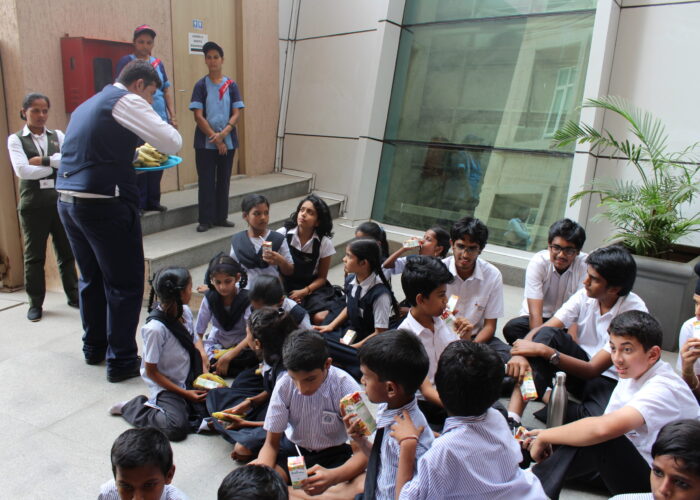
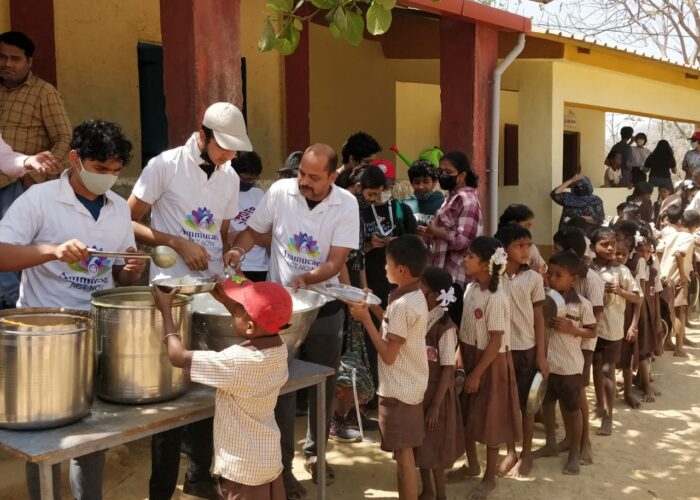 Community service at a Gram Panchayat school in Wada.
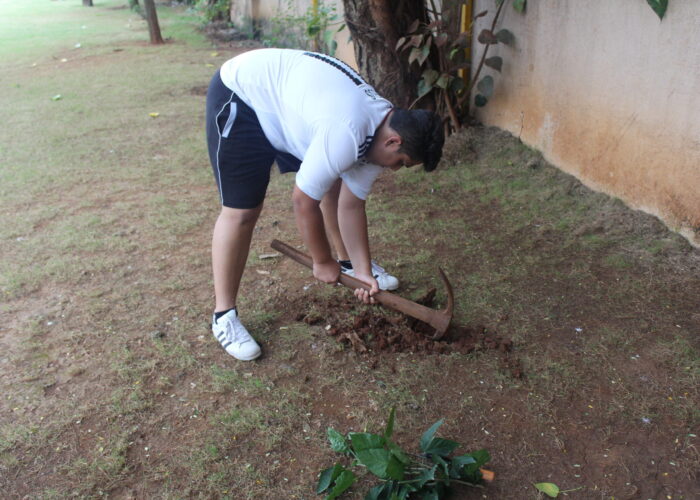
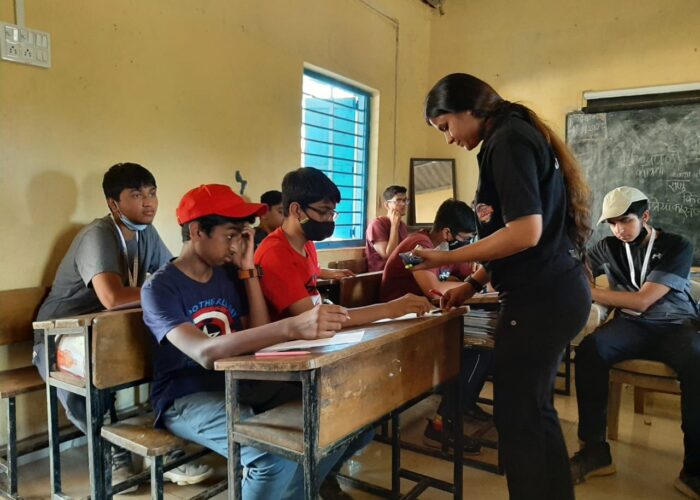
- Create an inclusive platform where every student, regardless of grade, can actively participate in community service and develop a shared sense of responsibility and compassion beyond the classroom. Establish a peer-led support network that encourages students to look out for one another, fostering kindness, respect, and a culture of care across the school.
- Conduct awareness and engagement campaigns on topics like mental well-being, sustainability, and social responsibility, ensuring consistent communication and active student involvement. Lead structured outreach projects such as cleanliness drives, sustainability campaigns, and community engagement visits that encourage consistent, hands-on involvement.